Discovering How Cover Crops Impact Cropland Habitat for Pests: Voles, Slugs, and Other Pests
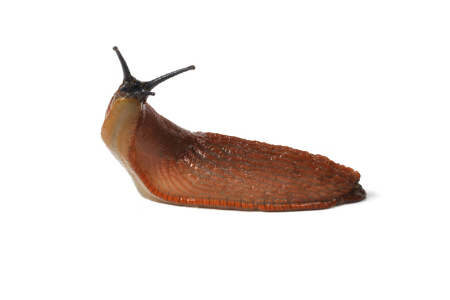
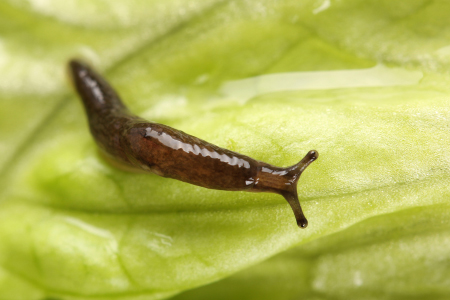
Pest problems like voles, slugs and army worms tend to be cyclical in nature and can have dramatic impacts when there’s an outbreak. Understanding the role that cover crops and no-till can play in creating the conditions for these pests to thrive can help producers make management decisions. This webinar is the first of a two-part series dealing with managing cover crops and tillage to minimize pest problems.
Predators & Cover Crops Fight Field Critters
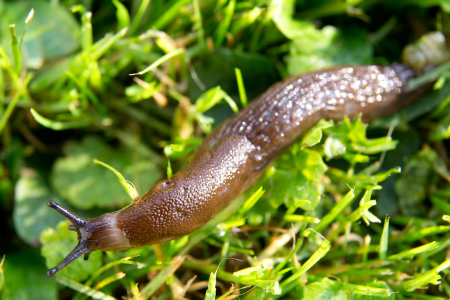
In the case of slugs and voles, wild animals and cover crops are two of a farmer’s best allies, said James Hoorman, a regional soil health specialist for the USDA Natural Resources Conservation Service in Ohio and Michigan.
Armyworm and Cover Crops
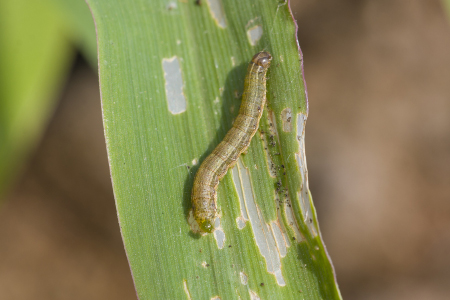
True armyworm (Mythimna (=Pseudaletia) unipuncta) primarily over winters in southern states as late instar caterpillars and adults. Waves of moths migrate northward in April and May.