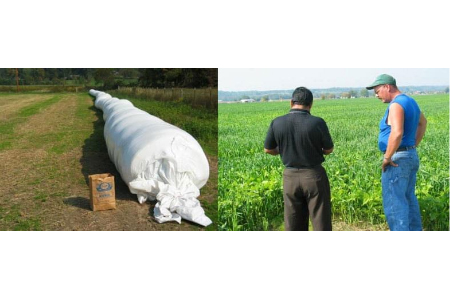
Growing and Managing Forage Cover Crops
After wheat or corn silage, always plant a cover crop to maximize the capture of sunlight, recycle residual nutrients and water, and control weeds. Apply manure in the fall and spring (not on wet soil) to maximize forage quality and quantity and minimize nutrient loss.
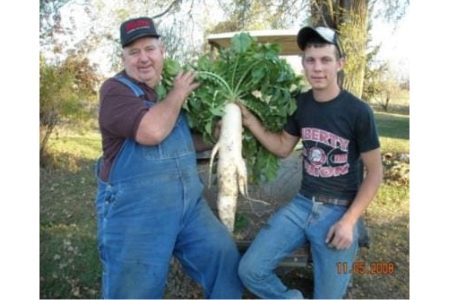
Growing, Establishing & Managing Cover Crops
This fact sheet gives some applied research based tips on successfully growing, establishing, and managing cover crops and provides a basic understanding of soil ecology in continuous no-till and cover crop systems.
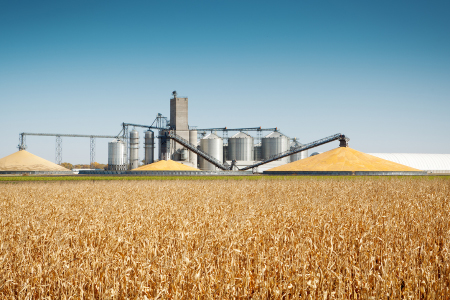
Cover Crops for Corn and Soybeans
Applied, research-based tips on growing, establishing and managing cover crops ahead of corn and soybeans, with a basic grounding in soil ecology for continuous no-till systems.

Crop Rotation and Management Practices Effects on Arbuscular Mycorrhizal Fungus (AMF)
Modern cropping rotations and management practices have an effect on microorganisms in the soil. In a typical corn and soybean rotation, live plants and active roots are present less than a third of the time during a calendar year (Magdoff and van Es, 2000).